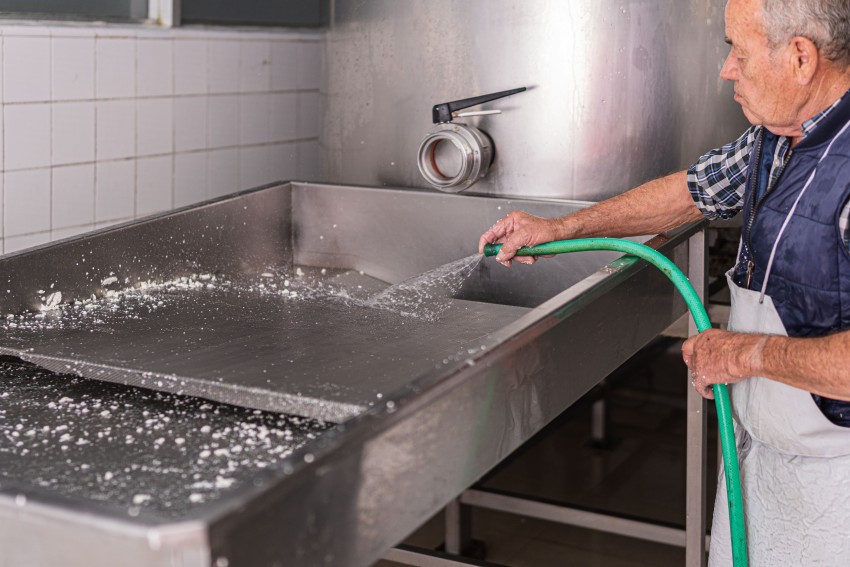
Running a restaurant involves more than serving great food. Behind the scenes, it takes a well-maintained kitchen to keep operations moving smoothly. Commercial restaurant equipment is the backbone of any kitchen, and when neglected, it can quickly become a liability. Equipment failure often leads to downtime, service delays, and unexpected repair bills—challenges no operator wants to face during peak hours.
Taking the time to maintain and clean your restaurant equipment not only extends its life but also protects your investment. This applies whether you are working with brand new units or reliable, used equipment. Cleanliness and maintenance are not just about appearances—they directly affect performance, energy use, safety, and even regulatory compliance. A proactive approach pays off in multiple ways.
Daily wear and tear takes a toll on even the most durable commercial-grade equipment. Fryers, ovens, dishwashers, mixers, and refrigeration units are built for heavy use, but they are not immune to grease buildup, mineral deposits, or food debris. Over time, this accumulation makes your equipment work harder than it needs to. That can lead to overheating, inefficiency, and premature breakdown.
Keeping up with regular maintenance helps avoid these problems before they escalate. Manufacturers like Vulcan Equipment and True Refrigeration often provide detailed cleaning and maintenance schedules in their manuals. Following these schedules is an easy way to avoid warranty issues and maximize uptime.
A kitchen that runs efficiently keeps your staff productive, your food consistent, and your customers happy. Regular care can also reduce your energy bills—an oven running on a dirty or clogged burner uses more gas to reach the same temperature. That extra cost adds up month after month.
Beyond performance issues, there are serious health and safety risks involved when commercial kitchen equipment is not cleaned properly. Grease traps that are not emptied regularly become a fire hazard. Ice machines harbor bacteria if filters are not changed. Even slicers, if not disassembled and sanitized, can contaminate meats and vegetables.
When health inspectors visit your facility, they are not just looking at your food safety processes. They pay close attention to the condition of your equipment. A buildup of grime on burners, oven racks, or hoods can lead to deductions—or even temporary closure depending on the severity.
In a competitive industry where reputation matters, a failed health inspection can trigger a domino effect. Losing customer trust is far more costly than investing in daily and weekly maintenance routines.
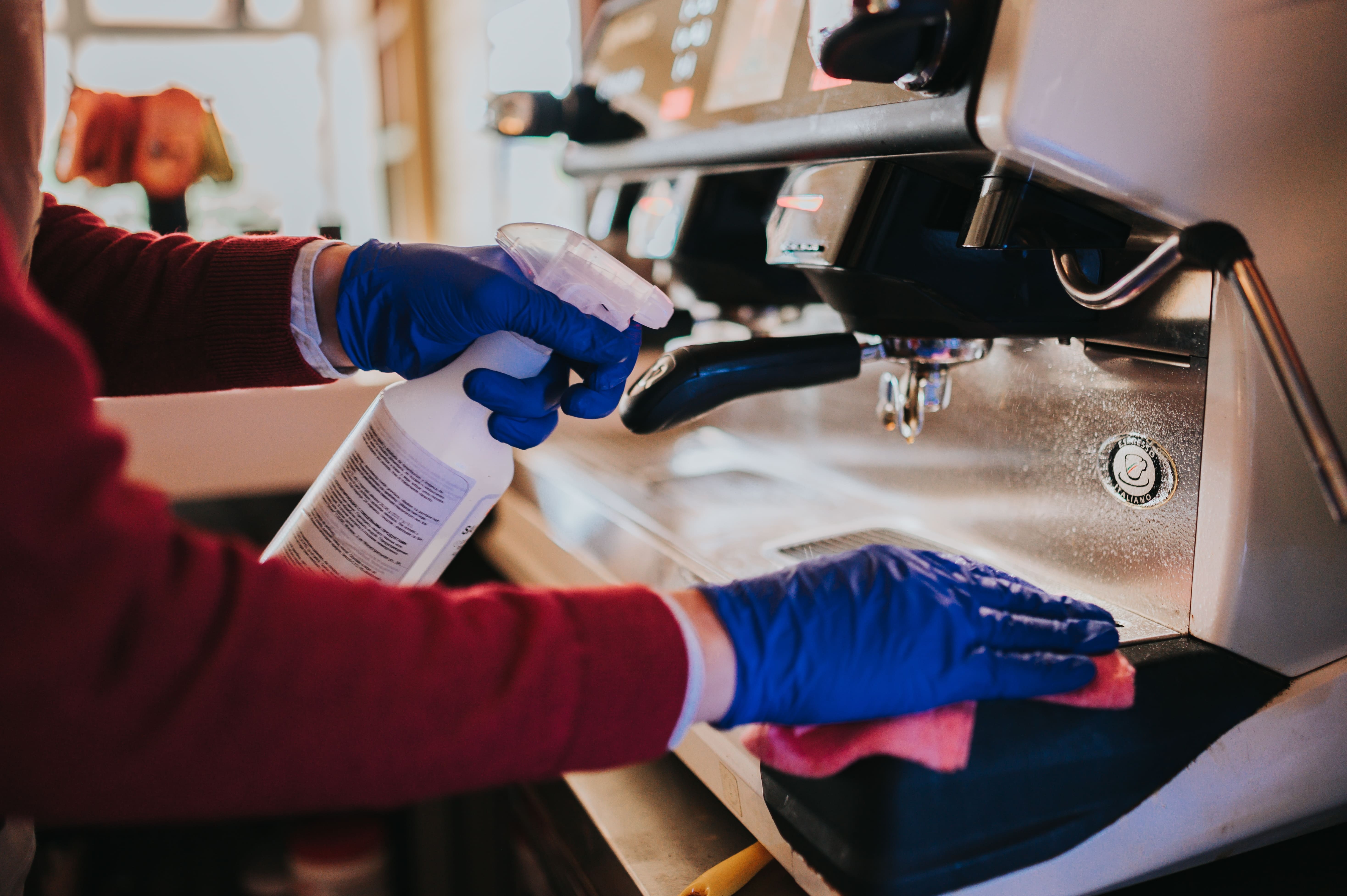
A clean kitchen starts with daily discipline. One of the most effective things your staff can do is clean as they go. Cooking surfaces, cutting boards, and prep counters should be wiped down throughout each shift—not just at closing time. The same goes for equipment like griddles, fryers, and mixers. If debris is left to harden overnight, it becomes harder to clean and more likely to cause issues.
Make sure each shift has a cleaning checklist that includes wiping down exterior surfaces, checking for grease buildup, and emptying food scraps from filters or trays. Even seemingly small actions—like wiping handles and knobs—can reduce bacteria transfer and improve the longevity of the units.
The team at Manitowoc Ice recommends inspecting and wiping down their ice machines at the end of each day to avoid mineral residue and biofilm growth. Simple practices like this protect one of the most overlooked machines in the kitchen.
While daily upkeep keeps things tidy, more in-depth cleaning needs to be done on a weekly or monthly schedule. This includes unplugging equipment, pulling it out from the wall (when safe to do so), and cleaning the undersides, vents, and surrounding areas. Dust buildup in compressor coils on refrigerators or freezers can impact their cooling ability and raise energy usage.
Dishwashers should be de-limed regularly to prevent calcium deposits. Flat-top grills and ranges should be re-seasoned and scrubbed with degreasing agents that are food safe. Air vents in convection ovens need to be vacuumed or brushed out so airflow remains unobstructed.
Used equipment that has been repurposed for your kitchen might require a little more attention depending on its age and previous condition. Fortunately, many of these tasks are relatively simple and do not require specialized training. Your maintenance staff or a reliable third-party cleaning service can take care of most routine deep cleans.
If you rely on hood systems or grease traps, schedule professional cleaning and inspection at least once per quarter. Many kitchens work with providers like HOODZ or Grease Guardian for consistent maintenance.
No maintenance strategy works without buy-in from your team. Educating your staff on how to care for each piece of equipment not only promotes safety but builds a sense of responsibility. When everyone understands the purpose behind maintenance, they are more likely to stay consistent with the process.
Investing in periodic training sessions helps reinforce these habits. Some kitchens even assign specific pieces of equipment to team members for upkeep. A line cook might be responsible for monitoring the grill, while a dishwasher is tasked with checking the machine’s filters. Creating ownership turns maintenance into a shared priority.
Companies like Boelter offer operational training for foodservice staff, focusing on real-world solutions that improve workflows and reduce downtime due to equipment failure. These resources can be valuable if you are onboarding new team members or opening a second location.
Many operators buy equipment, install it, and toss the manual aside. But those documents contain important recommendations from the manufacturer, including cleaning instructions, part diagrams, and tips on replacement cycles. They also provide model-specific details that could save you from expensive mistakes.
Some manufacturers even offer online portals with how-to videos, part ordering, and maintenance logs. Brands like Hobart and Southbend make it easier than ever to stay on top of equipment care. Bookmarking these portals or saving PDFs in a shared kitchen drive can help keep things organized.
If you purchase used equipment from a seller who does not have the manual, you can usually find it on the manufacturer’s website by searching the model number. It is worth the few extra minutes.
A preventive maintenance plan is a formal schedule that covers what equipment needs to be serviced, how often, and who is responsible. It is not only a way to stay organized but a key part of managing risk and costs.
This plan can be as simple as a calendar with reminders to inspect each machine, or as robust as a spreadsheet that logs dates, tasks completed, and any repairs made. Over time, this documentation can reveal patterns—helping you anticipate replacements or service calls before they are urgent.
Some operations hire third-party kitchen specialists to help build and implement their maintenance strategies. These providers often offer multi-site support, inspections, and emergency service. Companies like General Parts Group specialize in servicing restaurant equipment and can help fill gaps in-house teams may not have time to manage.
Maintaining and cleaning restaurant equipment should never be treated as an afterthought. When kitchen tools and appliances are working well, everything else runs more smoothly—from prep to plating. A thoughtful maintenance approach is not just about protecting your investment. It is about promoting a safer, cleaner, and more productive work environment for your team.
Whether you are running a high-volume diner or a specialty coffee shop, these habits pay off long-term. From daily wipe-downs to monthly deep cleans, building a routine makes a real difference. Keep manuals accessible, assign responsibilities, and do not wait for something to break to start paying attention. Equipment longevity does not happen by luck—it is the result of care, consistency, and attention to detail.